Spotlight on A DVA Survivor..

Be sure to check out orangeblossomwishes  a blog  that

Will inspire and teach others that even in the midst of anguish and distress, the future holds an abundance of joy and peace, if we are willing to release the past to go there.


Carolyn S. Hennecy is the author of ORANGE BLOSSOM WISHES: Child Molested, Woman Abused – Her Victorious Journey to Freedom. Publication date was October 2008, released in conjunction with National Domestic Violence Awareness Month. OBW has since then been recommended by mental health counselors, rape crisis interventionists, pastors and others working with victims of child molestation/abuse or domestic violence.

This is Carolyn’s memoir, it is her life’s story of battling and overcoming molestation as a little girl, from the age of 7 until nearly 15, the trauma of domestic violence in a long-term abusive marriage, confronting a bigamous marriage and a murder attempt. Her goal was not to write another religious work or “self-improvement” piece. Rather than seeing her readers as just another statistic, Carolyn enables them to quickly recognize her as a fellow traveler who has been down the same road of victimization. She found the light at the end of that tunnel of trauma and pain leads to a future of victory, joy and healing. Her passion is now to inspire, motivate and encourage others who have been abused or  molested, helping them find their own way of escape of both victimization and the victim mentality, walking into a better and brighter life, as she readily displays in both her written works and public presentations.

This autobiography is peppered with humor and southern charm, as Carolyn puts the positive twist on the path to becoming victorious, rather than remaining a victim, and shares the messages of hope, faith and restoration. “

The person next to you..

A great poem as posted on the Fraternal Thoughts blog.. The poem was written by Prissy Galagarian, In regards to fraternity, this poem speaks to about relationships, brotherhood/sisterhood, and the ability that fraternity gives us to truly know each other.

The Person Next To You

The person next to you is the greatest miracle
and the greatest mystery you will ever
meet at this moment.
The person next to you is an inexhaustible
reservoir of possibility,
desire and dread,
smiles and frowns, laughter and tears,
fears and hopes,
all struggling to find expression.
The person next to you believes in something,
stands for something, counts for something,
lives for something, labors for something,
waits for something, runs from something,
runs to something.
The person next to you has problems and fears,
wonders how they’re doing,
is often undecided and unorganized
and painfully close to chaos!
Do they dare speak of it to you?
The person next to you can live with you
not just alongside you,
not just next to you.
The person next to you is a part of you.
for you are the person next to them.

Domestic Violence Awareness

USDA Logo 

The U.S. Department of Agriculture, Safety, Health and Employee Welfare Division, have posted a Domestic Violence Awareness Handbook on their site. Be sure to check it out!!! Below is the blurb from their site….

Stop the Cycle of Violence!

All of you know how much needs to be done to take meaningful steps to end domestic violence and sexual assault. We need tough law enforcement, aggressive prosecutions, effective prevention programs and available shelters for families in distress. Most importantly, we need to insure that more people know and understand that domestic violence is not a private matter. It is a critical national problem that affects us all — in every community, in every work place and in every school.

Each of us can do more — and this handbook shows us how.

President Clinton recognized the seriousness of the problem when he signed the Violence Against Women Act as part of the Violent Crime Control and Law Enforcement Act of 1994. In the past year, the Department of Justice has sought to combine tough federal penalties along with substantial resources to the states to begin dealing with the problem of domestic violence in a comprehensive, multi-faceted way. States and local law enforcement agencies have been encouraged to begin programs that will enhance their ability to prevent domestic violence, to punish it and to stop the cycle of violence. The Act also established a:

National Domestic Violence Hotline, 1-800-799-SAFE.

President Clinton has called on all the Departments of the Federal government to develop employee awareness campaigns to help combat domestic violence. The Department of Justice, Violence Against Women Office, prepared this handbook as a resource guide for anyone seeking assistance or information on Domestic Violence. The following web site addresses are provided as additional resources:


Accepting Pathways in the Grass

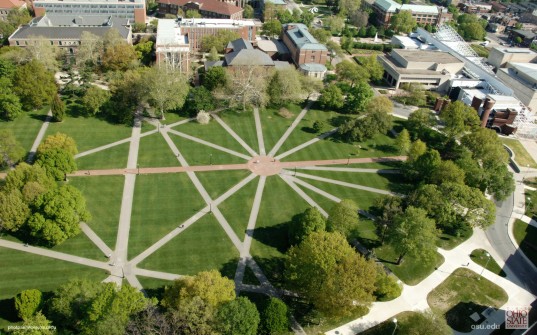
I LOVE LOVE this article, it was originally posted on the Fraternal Thoughts blog, but reminds me of all of the random pathways across Landis Green at FSU….

The campus groundskeeper stood at the top floor of the administration building and looked out the window. The building sat in the middle of the college, which gave him a wonderful view of the beautiful campus he maintained. It was Spring, and he had laid new green turf throughout the grounds. The campus design was simple: stately red brick buildings surrounding a wide expanse of open space, which was laid out as a grid of grass and sidewalks. Students could travel North or South, or East or West, with ease.
And then he saw it. At first, he wasn’t sure it was real. Perhaps it was a streak in the glass of the window, or a mirage of some sort. Once he realized that it was truly what he thought it was, he dropped his cup of coffee on the ground. He looked closer, and then began to look more closely all around. Soon he realized that they were everywhere! His lovely campus was being ruined! Those damn lazy students were cutting diagonal lines through the grass, leaving brown dirt paths in the middle of his lovely green turf.

“Use the sidewalks!” he shouted to no one in particular but the window. He immediately placed a call to his crew, and they placed new sod, seed, and fences up so that the grass would grow back over the paths. A month later, he removed the fences, hoping that they had made the point. “The students will not win!” he thought. An hour later, students began cutting diagonally through the grass and the dirt paths reemerged. The groundskeeper gave up. He was close to retirement and sadly lamented what he saw as the ugly campus grounds until the day he left.

A new groundskeeper was hired, and one day was standing in the same place the retired groundskeeper had once stood, looking out upon the campus. He too noticed the dirt paths that had been worn into the ground, but he didn’t see them as ugly or intrusive. He also placed a phone call in response.

A month later, the brown dirt paths had been covered by sidewalks.

Is cutting across a lawn instead of using the sidewalk an act of defiance? Not really. But the story does provide a fairly good analogy for how we – as professionals that work with college students – view their actions and decisions. Administrators often believe that they have laid out the best path for students, and are perplexed when a different path is chosen. Administrators then stand their ground, channel their deepest Dean Wormer, and try to put the students back on the “correct” path.

And the students, innocently free from notions of bureaucracy, legislation, rules, and legalities, calmly say in return: “Uhh, I see the sidewalks you laid out for me, but it’s a lot faster to go this way.”

And administrators have a choice in this moment, just like the groundskeepers in the story above. Way too often, the choice we make is to ignore the students, stick to the sidewalks we have created, and stubbornly demand they use them.

This is our usual response to the defiance and/or rebelliousness of our students. What if the next time you were faced with that choice, you took a deep breath, swallowed a little pride, and said, “Maybe the students are on to something.”

Years ago, fans at Duke basketball games had the reputation of being mean and nasty to opposing teams and fans. Embarrassingly so. The university president was faced with a choice: use his power and authority to squash this problem, or, find a way to embrace it. Whereas 99% of administrators in his position would have fired off a tersely-worded letter or statement that condemned the acts and laid out a terrifying set of consequences for anyone who acted out, Terry Sanford (or Uncle Terry as he was called) instead wrote a different kind of letter. He celebrated the enthusiasm of the fans, and asked them to channel it into a force for good:

“I don’t think we need to be crude and obscene to be effectively enthusiastic. We can cheer and taunt with style: that should be the Duke trademark.”

“I suggest that we change. Talk this matter over in your various residential houses. Think of something clever but clean, devastating but decent, mean but wholesome, witty and forceful but G-rated for television, and try it at the next game.”

The results are infamous. The Cameron Crazies at Duke are now known for their very tenacious yet polite cheers. For instance, when a referee misses a call, the preferred chant is “We beg to differ!”

Another example. When I was a senior at Miami in 1998, there was a “riot” of students in the center of town late one night. I don’t remember what sparked it, but eventually hundreds of students took to the streets to party, cause damage, and be obnoxious. A year later, the anniversary of this event was approaching and there were rumors of a second riot. A moment of choice. Most universities would have imposed some draconian rules on alcohol or parties, doubled the police presence, and had suspensions ready to hand out as quickly as candy at a parade. Miami made a different choice. They invited a core group of students to design and carry out an outdoor rally and festival to be held on the anniversary night at the site of the riot. There were bands and activities. The streets were full of students who had left the bars and found something pretty cool waiting outside. The Red Brick Rally became an annual tradition.

In each of these examples, the administrators noticed something in the students – a spirit that they wanted to put to a productive use. They saw the dirt paths coming, and put usable sidewalks in their place.

So, how do we celebrate and use the defiance that’s in the DNA of our fraternities and sororities?

First, we can put students in a position to use that defiant spirit for good. Let’s pledge to stop using students on committees or task forces simply as tokens. Let’s give them significant work, like crafting policy and strategic plans. When they vocally disagree with an idea, let’s resist the inclination to think “they just don’t understand,” and instead think “maybe we just don’t understand.”

We can also encourage grassroots movements. There are students all over our campuses that send signals of rebellion, but their passions never get off the ground. The next student who volunteers his/her disdain for hazing should be encouraged to move their conviction to action. The next student that asks you what you’re doing about the poor fraternity grade report should be answered with, “I’ve been waiting for you.”

We can be willing to be wrong. To be honest, now that I have stepped away from campus work for a while, I look back at some of the policies I treated as gospel and I laugh. Now, I wish I had handed them over to the student leaders I advised and gave them the chance to rewrite them so they worked better. I recently consulted with a university in which a major battle of wills had erupted between the IFC and the university staff over an event authorization process. Is that worth a major battle? An event authorization process? Sometimes we are wrong and we need to happily admit it. Sometimes we are right, but that shouldn’t make us inflexible.

Finally, we can simply and calmly accept this defiant spirit for what it is – an inherent trait that breathes life into fraternities and sororities. It can give us headaches and heartburn. It can also make our work less efficient and messier. But, it also keeps us accountable. It encourages innovation. It can make life more playful and spirited. It can help those of us who have allowed policies, rules, regulations, and bureaucracy to rule our work remember that we shouldn’t take those things too seriously.

It may even make us radically change the way we do our work. But that’s okay.

After all, we may just have defiance in our DNA as well.

Recognizing Child Abuse and Neglect: Signs and Symptoms

Series: Factsheets
Author(s): Child Welfare Information Gateway
Year Published: 2007

The first step in helping abused or neglected children is learning to recognize the signs of child abuse and neglect. The presence of a single sign does not prove child abuse is occurring in a family, but a closer look at the situation may be warranted when these signs appear repeatedly or in combination.
If you do suspect a child is being harmed, reporting your suspicions may protect the child and get help for the family. Any concerned person can report suspicions of child abuse and neglect. Some people (typically certain types of professionals) are required by law to make a report of child maltreatment under specific circumstances—these are called mandatory reporters. For more information, see the Child Welfare Information Gateway publication, Mandatory Reporters of Child Abuse and Neglect.
For more information about where and how to file a report, contact your local child protective services agency or police department. An additional resource for information and referral is the Childhelp® National Child Abuse Hotline (800.4.A.CHILD).

Recognizing Child Abuse

The following signs may signal the presence of child abuse or neglect.

The Child:

  • Shows sudden changes in behavior or school performance
  • Has not received help for physical or medical problems brought to the parents’ attention
  • Has learning problems (or difficulty concentrating) that cannot be attributed to specific physical or psychological causes
  • Is always watchful, as though preparing for something bad to happen
  • Lacks adult supervision
  • Is overly compliant, passive, or withdrawn
  • Comes to school or other activities early, stays late, and does not want to go home

The Parent:

  • Shows little concern for the child
  • Denies the existence of—or blames the child for—the child’s problems in school or at home
  • Asks teachers or other caregivers to use harsh physical discipline if the child misbehaves
  • Sees the child as entirely bad, worthless, or burdensome
  • Demands a level of physical or academic performance the child cannot achieve
  • Looks primarily to the child for care, attention, and satisfaction of emotional needs

The Parent and Child:

  • Rarely touch or look at each other
  • Consider their relationship entirely negative
  • State that they do not like each other

Types of Abuse

The following are some signs often associated with particular types of child abuse and neglect: physical abuse, neglect, sexual abuse, and emotional abuse. It is important to note, however, that these types of abuse are more typically found in combination than alone. A physically abused child, for example, is often emotionally abused as well, and a sexually abused child also may be neglected.

Signs of Physical Abuse

Consider the possibility of physical abuse when the child:

  • Has unexplained burns, bites, bruises, broken bones, or black eyes
  • Has fading bruises or other marks noticeable after an absence from school
  • Seems frightened of the parents and protests or cries when it is time to go home
  • Shrinks at the approach of adults
  • Reports injury by a parent or another adult caregiver

Consider the possibility of physical abuse when the parent or other adult caregiver:

  • Offers conflicting, unconvincing, or no explanation for the child’s injury
  • Describes the child as “evil,” or in some other very negative way
  • Uses harsh physical discipline with the child
  • Has a history of abuse as a child

Signs of Neglect

Consider the possibility of neglect when the child:

  • Is frequently absent from school
  • Begs or steals food or money
  • Lacks needed medical or dental care, immunizations, or glasses
  • Is consistently dirty and has severe body odor
  • Lacks sufficient clothing for the weather
  • Abuses alcohol or other drugs
  • States that there is no one at home to provide care

Consider the possibility of neglect when the parent or other adult caregiver:

  • Appears to be indifferent to the child
  • Seems apathetic or depressed
  • Behaves irrationally or in a bizarre manner
  • Is abusing alcohol or other drugs

Signs of Sexual Abuse

Consider the possibility of sexual abuse when the child:

  • Has difficulty walking or sitting
  • Suddenly refuses to change for gym or to participate in physical activities
  • Reports nightmares or bedwetting
  • Experiences a sudden change in appetite
  • Demonstrates bizarre, sophisticated, or unusual sexual knowledge or behavior
  • Becomes pregnant or contracts a venereal disease, particularly if under age 14
  • Runs away
  • Reports sexual abuse by a parent or another adult caregiver

Consider the possibility of sexual abuse when the parent or other adult caregiver:

  • Is unduly protective of the child or severely limits the child’s contact with other children, especially of the opposite sex
  • Is secretive and isolated
  • Is jealous or controlling with family members

Signs of Emotional Maltreatment

Consider the possibility of emotional maltreatment when the child:

  • Shows extremes in behavior, such as overly compliant or demanding behavior, extreme passivity, or aggression
  • Is either inappropriately adult (parenting other children, for example) or inappropriately infantile (frequently rocking or head-banging, for example)
  • Is delayed in physical or emotional development
  • Has attempted suicide
  • Reports a lack of attachment to the parent

Consider the possibility of emotional maltreatment when the parent or other adult caregiver:

  • Constantly blames, belittles, or berates the child
  • Is unconcerned about the child and refuses to consider offers of help for the child’s problems
  • Overtly rejects the child

Resources on the Child Welfare Information Gateway Website

Child Abuse and Neglect
www.childwelfare.gov/can/
Defining Child Abuse and Neglect
www.childwelfare.gov/can/defining/
Preventing Child Abuse and Neglect
www.childwelfare.gov/preventing/
Reporting Child Abuse and Neglect
www.childwelfare.gov/responding/reporting.cfm

This factsheet was adapted, with permission, from Recognizing Child Abuse: What Parents Should Know. Prevent Child Abuse America © 2003.

This material may be freely reproduced and distributed. However, when doing so, please credit Child Welfare Information Gateway.

Challenging Ourselves Daily

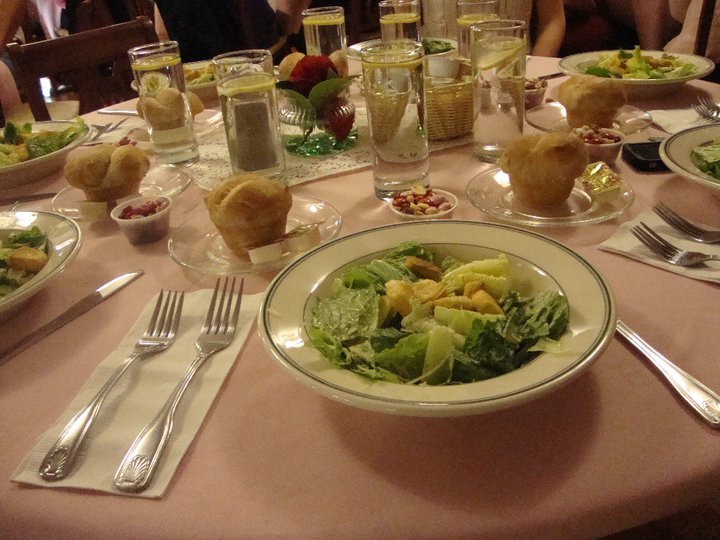
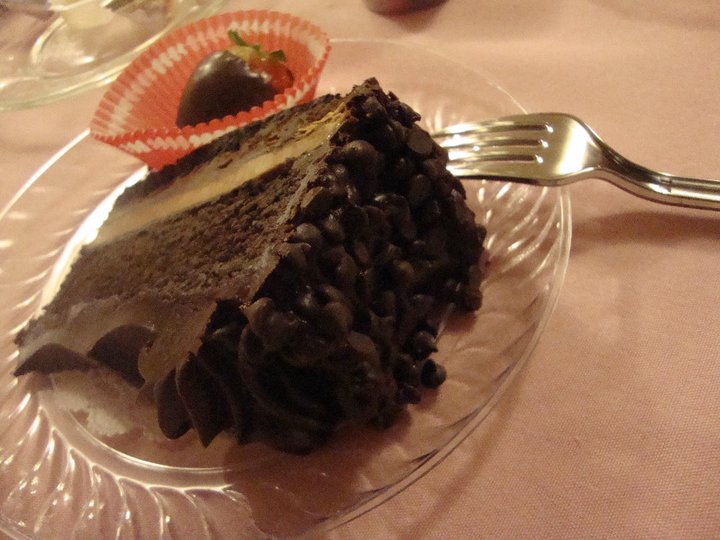
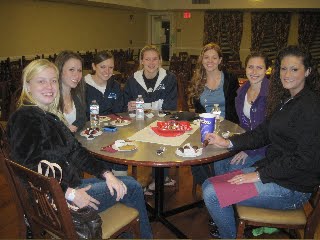
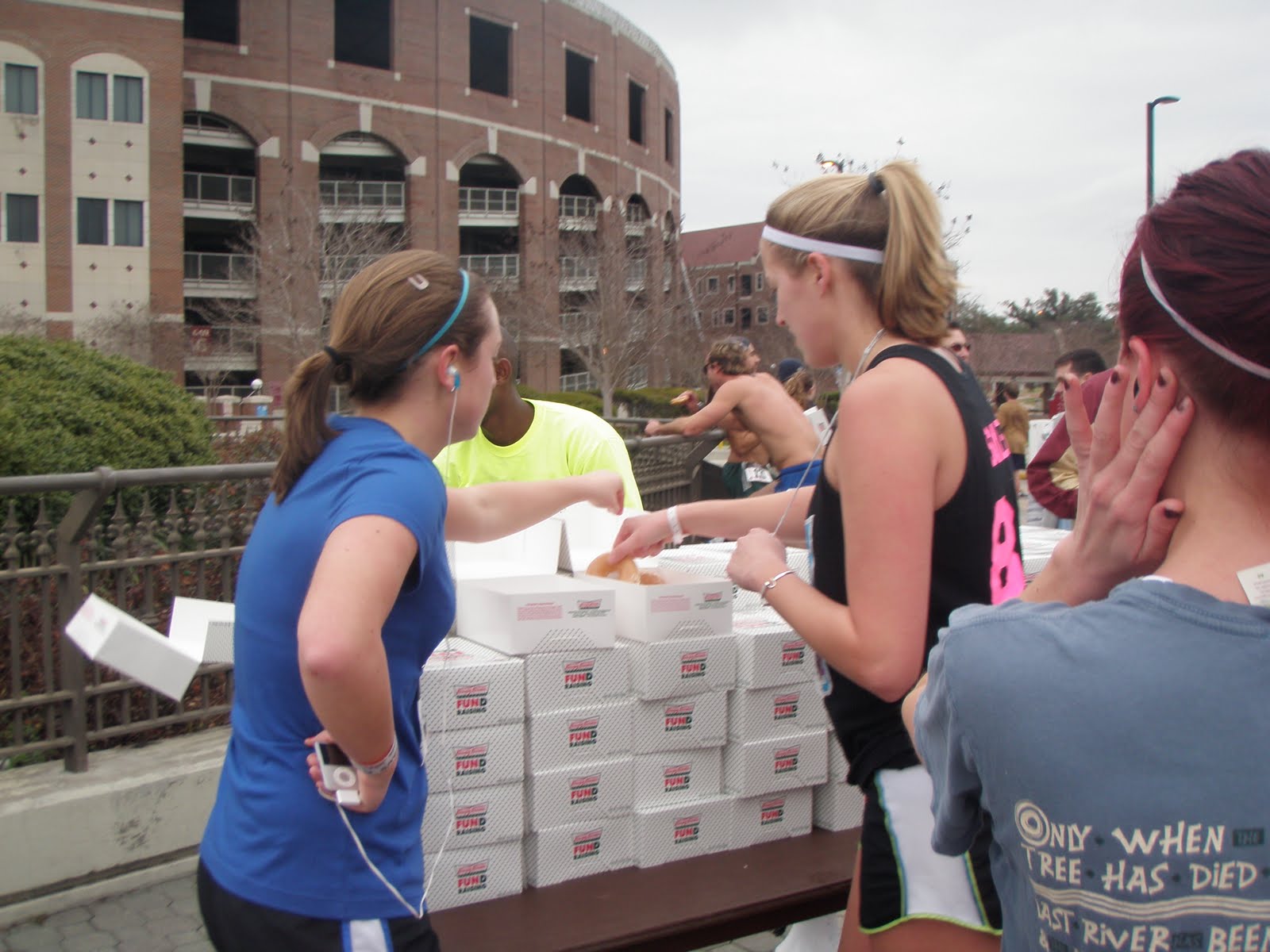
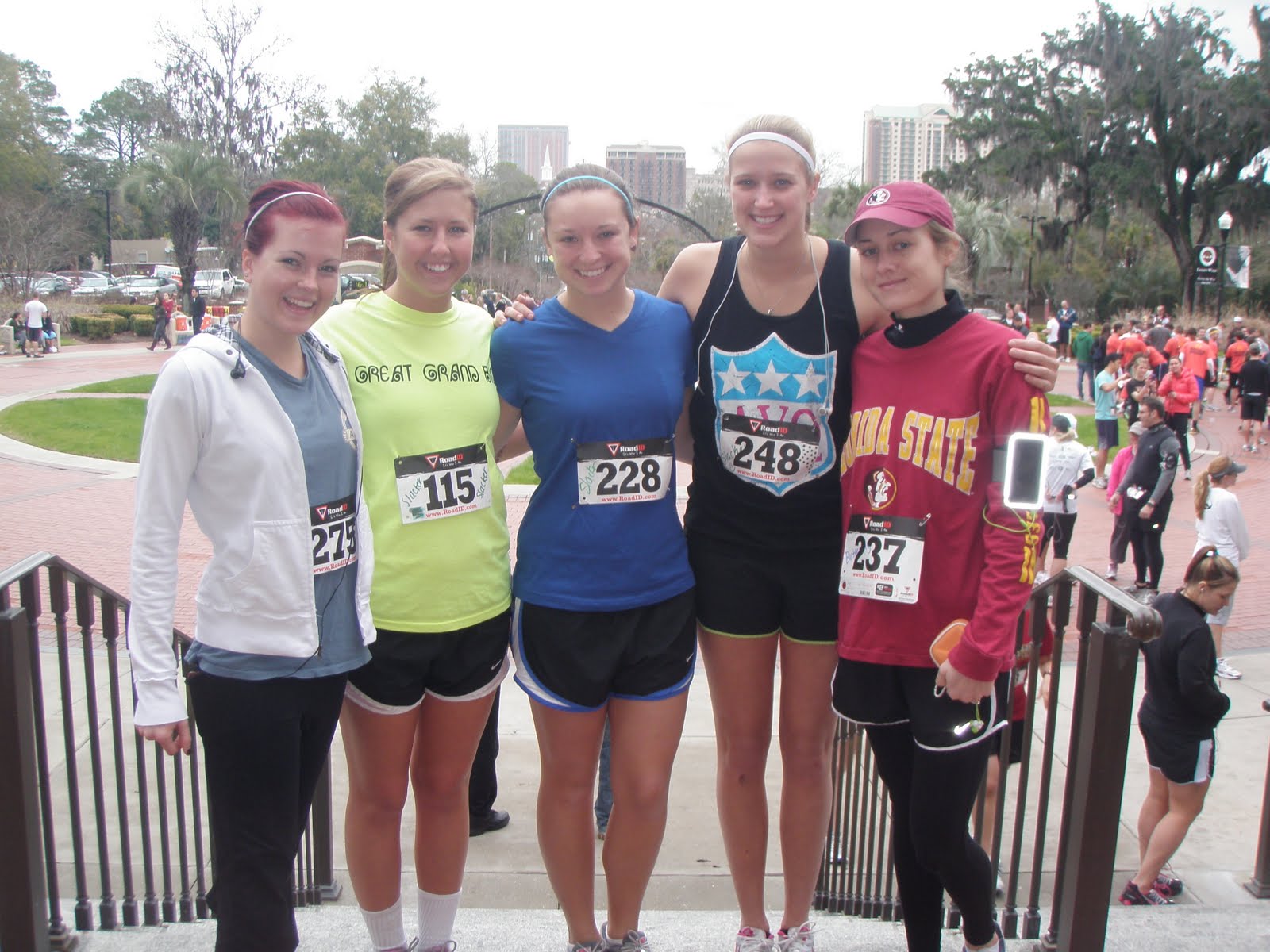
Over the past week we have had a lot of events in which we are challenging ourselves to do better for ourselves and our community. One such event that we participated in was the Krispy Kreme Challenge which benefitted the Student United Way. In this event, participants ran two miles then ate between one(slacker) or a dozen (challenger) donuts and then ran another two miles. It was a great bonding experience for me and my fellow sisters as well as a great workout. Another event was DEANS LIST DESSERT! Roughly half of our chapter made the deans list this past semester and we celebrated with a delicious dessert of chocolate covered strawberries and dessert pizza 🙂 It was great to see how many of my sisters were striving for perfection academically.
below i have some pictures from both events 🙂 ENJOY!


Help Make Tallahassee More Beautiful!


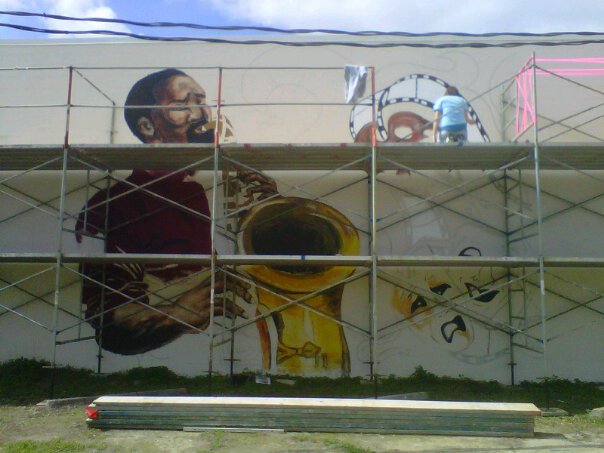
Alpha Chi Omega alumna Erin (Iota Psi, Elon)’s department (Department of Art Education) and student association (Art Therapy Association) are collaborating with Seven Days of Opening Nights Arts Fest and the City of Tallahassee to paint a mural on the corner of Gaines and Railroad Square from Feb. 10-22.  “We’re there this week 9am-7pm and this weekend 12-5pm. We’ll be there 9am-9pm beginning Feb 14. Any and all are welcome- we’d especially love for people to bring their classes (if they teach) or any volunteer organizations; it’s pretty much paint by numbers; artistic or technical skill is not a requirement. 


“Students of any paintbrush-wielding age are welcome, provided they have proper supervision of course. We are also working with local programs such as Pyramid Studios, SAIL, and FDOA/Sports Ability. The theme of the mural is the arts-visual, and performing, so there are dancers and musicians and such throughout the mural design. It should be awesome!”

What a great way to celebrate MacDowell Month (when Alpha Chi Omegas everywhere take part in and support the fine arts)!

Poll: Is a Fraternity/Sorority Super Bowl Ad a Good Idea?

This was origionally posted on Fraternal Thoughts blog.. We would love to hear your thoughts..

Occasionally, entities like the NIC, NPC, NPHC, or NALFO get asked to consider purchasing a Super Bowl ad in order to change public perception of Greek-letter organizations. This has become symbolic for the attitude that many carry that we need to use high-profile advertising mechanisms to improve our image and/or recruit new members.

The opposing view is that it would be a waste of money and that advertising techniques will have little to no effect on public perception. Many argue that only a change in behavior will make the difference.
What are your thoughts? Companies spend millions on Super Bowl ads and traditional advertising, so it must have some sort of positive impact, right? Should the fraternity movement try this technique, or are our limited resources better used elsewhere? Take the poll and please add your comments.
By the way, In 2010, the average cost of a 30-second commercial during the Super Bowl was approximately $3.01 million.

Signs of a Battering Personality

Below are some characteristics that might identify a potential batterer or abuser, as noted on A Safe Place for Help’s website

Jealousy

At the beginning of the relationship, an abuser will always say that jealousy is a sign of love. Jealousy has nothing to do with love. It’s a sign of insecurity and possessiveness. A batterer will question you about who you talk to, accuse you of flirting, or be jealous of time you spend with your family, friends, or children. As the jealousy progresses, the abuser may call frequently during the day or drop by unexpectedly to check up on you. The abuser may insist that you not work or check the car mileage or ask friends to watch you.

Controlling Behavior

At first, the batterer will say that this behavior comes from concern about your safety, your need to use time wisely, or your need to make good decisions. The abuser will be angry if you are late coming home, and he/she may question you closely about where you went or whom you talked to. As this behavior gets worse, you may not be allowed to make decisions about the house, your clothing, or your going out. The abuser may keep all the money or make you ask permission to leave the house.

Quick Involvement

Many survivors of domestic violence dated or knew their abuser for less than six months before they were living together. The abuser comes on like a whirlwind claiming love at first sight. The person may tell you such flattering things as “you’re the only person for me” or “I’ve never loved anyone like this before.”

Unrealistic Expectations

At first, the batterer will say that this behavior comes from concern about your safety, you need to use time well, or your need to make good decisions. The abuser will be angry if you are late coming home. He/She may question you closely about where you went or whom you talked to.

Isolation

A batterer will try to cut you off from everything and everyone. People who are your support system are accused of causing trouble. You may not be able to use the phone or go out when you want to.

Blames Other(s) for Problems

The abuser’s problems are justified by saying that people are out to get him or her. The abuser may blame problems on you and claim that you are at fault for every think that goes wrong.

Blames Other(s) for Feelings

The abuser will say “you make me mad” or “you’re hurting me by not doing what I ask.” You cannot make anyone feel anything, and often times, an abuser uses this statement to manipulate you.

Hypersensitivity

The abuser is easily insulted, claims hurt feelings when really feeling mad, or takes the slightest setbacks as personal attacks. The abuser will rant and rave about the injustice of things that have happened.

Cruelty to Animals or Children

The abuser may punish animals brutally or be insensitive to their pain and suffering. The abuser may expect children to do things way beyond their ability or tease them until they cry.

Playful Use of Force In Sex

The abuser may like to throw you down and hold you down during sex, or act out fantasies where you are helpless. The abuser may start to have sex with you while you are sleeping or demand sex while you are ill or tired or right after an assault.

Verbal Abuse

In addition to saying things that are cruel or hurtful, the abuser may degrade you, or run down your accomplishments. The abuser will tell you that you are stupid and unable to function alone.

Two Very Different Personalities

You may be confused by the batterer’s sudden change in mood. One minute the person is nice and the next minute, explosive or very sad. This does not indicate some kind of special mental problem or that the person is “crazy”.

Past Battering

You may find out the abuser has hit lovers in the past, but claims that they provoked or exaggerated it. A batterer will assault any person they are with. Situational circumstances do not make a person batter.

Breaking and Striking Objects

This behavior is used as punishment and used to terrorize you. The batterer will select specific items of personal worth to destroy. The person may strike tables or walls, or throw objects.

Any Type of Force During an Argument

This may involve holding you down or restraining you from leaving the room. Any physical assault is considered battering.